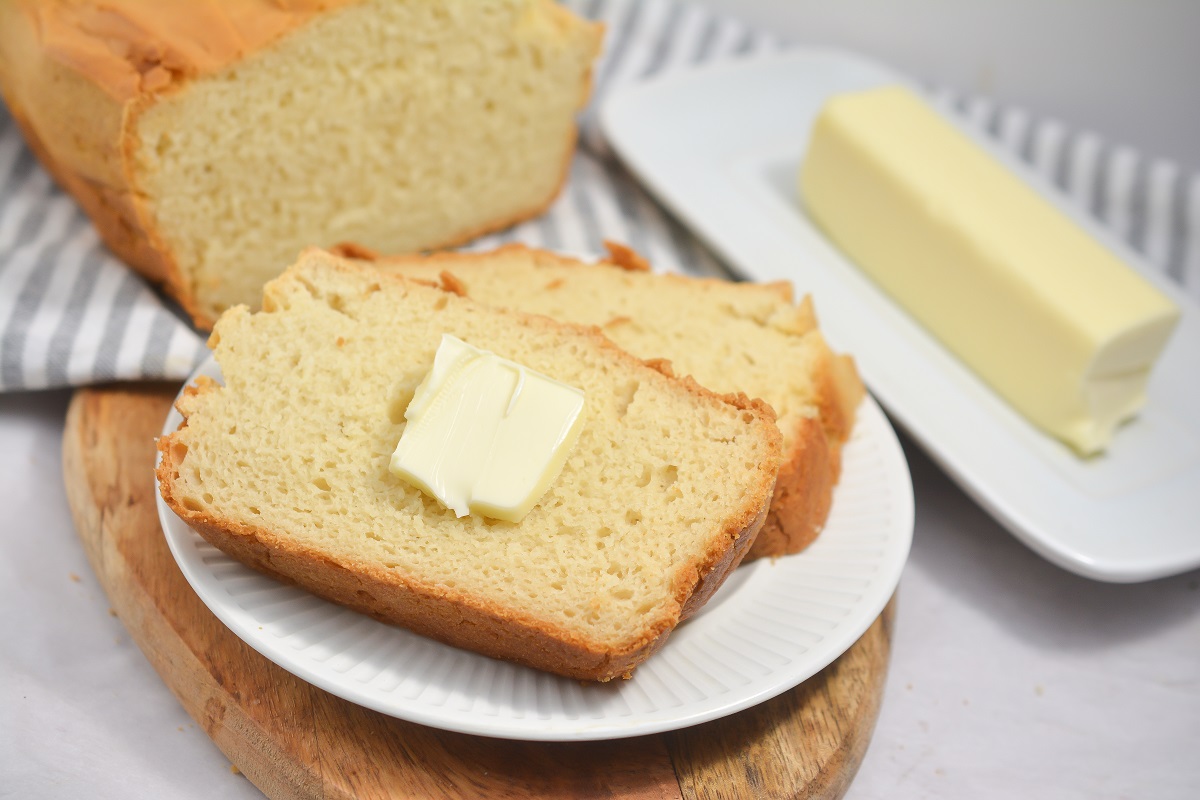
Achieving Ideal Texture: Crafting Perfect Gluten-Free White Bread with Your Bread Machine
For anyone following a gluten-free diet, the quest for a truly satisfying loaf of white bread can often feel like an elusive dream. Traditional bread, with its airy crumb and delightful chew, owes much of its structure to gluten. Replicating this experience in a gluten-free format, especially for gluten free white bread, has historically presented significant challenges. However, thanks to advancements in ingredients and the convenience of modern bread machines, achieving that ideal texture—soft, tender, and not overly dense or crumbly—is now within reach. This comprehensive guide will walk you through the secrets to baking exceptional gluten-free white bread using your bread machine, ensuring every slice is a joy.The Gluten-Free Conundrum: Understanding Texture Challenges
Gluten, a protein complex found in wheat, rye, and barley, is the architectural marvel of conventional bread. It forms an elastic network that traps gases produced by yeast, allowing the dough to rise and giving bread its characteristic airy texture and chewiness. When gluten is removed, as it must be for gluten free white bread, this natural structure is lost. The primary hurdle in gluten-free baking is preventing the resulting loaf from becoming either too dense and heavy, or too crumbly and dry. Without gluten, doughs can struggle to hold their shape, leading to a collapsed or compact crumb. They may also lack the elasticity needed to achieve a pleasant mouthfeel, often feeling gritty or gummy instead of soft and tender. The choice of flour, the balance of liquids, and the role of specific binders become paramount in recreating a semblance of gluten's magic. This is where a carefully constructed recipe and the controlled environment of a bread machine truly shine, transforming what could be a difficult baking endeavor into an enjoyable and successful process.Crafting the Perfect Blend: Key Ingredients for Superior Texture
The foundation of any successful gluten free white bread recipe lies in its ingredients, particularly the flour blend and key additives designed to mimic gluten’s properties. Unlike traditional baking where one flour (wheat) typically suffices, gluten-free baking thrives on a harmonious blend of several flours and starches, each contributing unique characteristics to the final texture. Let's break down the essential components for a winning loaf:- Flour Blend: A balanced mix is crucial.
- White Rice Flour: Offers a neutral flavor and provides foundational structure. It's often the bulk of the blend.
- Potato Starch: Contributes to a soft, moist crumb and helps prevent dryness. It lends tenderness to the bread.
- Tapioca Starch (or Tapioca Flour): Essential for elasticity and chewiness, helping the bread achieve a less crumbly texture and a slightly airy feel. It’s the "glue" that holds things together without being gummy.
- Xanthan Gum: This is arguably the most critical ingredient in gluten-free baking for texture. Xanthan gum acts as a hydrocolloid, providing elasticity, binding, and stability to the dough, effectively substituting for gluten. It helps trap air, giving the bread lift, and prevents it from becoming crumbly. Without it, your loaf would likely fall apart.
- Yeast: Instant yeast is preferred for bread machines as it can be added directly to the dry ingredients without prior proofing. Ensure your yeast is fresh and active for proper rising.
- Sugar: More than just a sweetener, granulated sugar feeds the yeast, contributing to a good rise. It also aids in browning the crust and adds a subtle depth of flavor.
- Salt: Essential for flavor balance and also plays a role in regulating yeast activity, preventing it from over-rising too quickly.
- Liquids:
- Warm Milk: Provides richness and tenderness to the bread. The warmth is crucial for activating the yeast effectively.
- Large Eggs: Act as a binder, add structure, and contribute to the richness and moistness of the crumb.
- Olive Oil: Incorporates healthy fats, making the bread softer, moister, and improving its overall texture and shelf life.
Mastering the Bread Machine: Techniques for a Flawless Loaf
The bread machine isn't just a convenient appliance; it's a valuable tool that simplifies the often-fussy process of baking gluten free white bread. Its consistent kneading, rising, and baking cycles are particularly beneficial for gluten-free dough, which can be sensitive to fluctuations. However, there are specific techniques to ensure optimal results.Ingredient Order and Cycle Selection
Most bread machine manufacturers recommend adding ingredients in a particular order to protect the yeast. Typically, liquids go in first, followed by dry ingredients, with the yeast placed on top, away from direct contact with salt and sugar until mixing begins. Always refer to your machine's manual for its specific recommendations.
For gluten-free bread, selecting the right cycle is crucial. The "Quick" or "Rapid Rise" cycle (often around 2.0 lbs setting if available) is frequently recommended. While this might seem counterintuitive for bread, gluten-free doughs don't benefit from prolonged kneading or a lengthy first rise in the same way traditional doughs do. Over-kneading can actually degrade the delicate structure created by the starch and gum blend, leading to a denser loaf. The shorter cycles often provide just the right amount of mixing and rising time without overworking the dough.
Mid-Cycle Interventions for Enhanced Texture
One of the key differences in baking gluten-free bread in a machine is the importance of a couple of interventions during the cycle:
- Scraping the Sides: After the initial mixing cycle, gluten-free dough, which is often stickier and less cohesive than wheat dough, can stick to the sides of the bread pan. Use a rubber spatula to gently scrape down any unmixed flour or ingredients from the sides, ensuring everything is fully incorporated. This promotes a more uniform texture in your gluten free white bread.
- Adding Olive Oil: The recipe suggests adding the olive oil *after* the initial ingredients have come together. This allows the dry ingredients to fully hydrate first, and then the oil can be incorporated smoothly, contributing to a tender crumb without hindering the initial mixing of the starches and gums.
- Removing the Paddles: Once the kneading cycle has finished (often before the final rise), it's highly recommended to open the lid and carefully remove the kneading paddles. This prevents large holes in the bottom of your finished loaf and makes for cleaner slices. After removing them, you can gently smooth the surface of the dough with a wet spatula for a more even top crust, though this is optional.
Precision in measurements is also paramount. Gluten-free flours can be very sensitive to variations, so using a kitchen scale to measure by weight rather than volume can dramatically improve consistency and texture.
Beyond the Machine: Enjoying and Storing Your Homemade GF Bread
The Crucial Cooling Phase
As soon as your bread machine signals completion, remove the bread pan promptly. Do not allow the loaf to sit in the hot pan; this can lead to a soggy crust or a gummy interior due to trapped steam. Carefully invert the pan to release the loaf and immediately transfer it to a wire rack. Cooling on a wire rack for at least 30 minutes (or even longer, up to an hour) is absolutely essential. This allows residual steam to escape, preventing a dense or gummy texture, and allows the internal structure of the bread to set properly. Slicing too early can crush the crumb and compromise its texture.
Serving and Storing for Optimal Freshness
Homemade gluten free white bread is always best served fresh, ideally warm from the machine after its cooling period. The soft texture and delicate flavor are most pronounced at this stage. If you're not planning to consume the entire loaf within a day, proper storage is key to maintaining its quality.
Gluten-free bread tends to dry out more quickly than traditional bread. For short-term storage (1-2 days), wrap the cooled loaf tightly in plastic wrap and then place it in an airtight container or a bread bag at room temperature. For longer storage, freezing is your best friend. Slice the cooled bread before freezing, then stack the slices with parchment paper in between (to prevent sticking) inside a freezer-safe bag. This allows you to pull out individual slices as needed, which can be quickly thawed in a toaster, microwave, or at room temperature, bringing them back to a wonderfully soft state.
The Convenience of Pre-Baked Alternatives
While baking your own gluten free white bread offers unparalleled freshness and control over ingredients, sometimes time simply doesn't permit. For busy schedules or unexpected needs, pre-baked, pre-sliced gluten-free white bread loaves offer a fantastic alternative. These "thaw-and-serve" options provide incredible convenience, saving valuable time and eliminating any risk of baking errors. Shipped frozen, they ensure you always have a soft, reliable option on hand for sandwiches, toast, or any occasion that calls for a quick and easy gluten-free solution. To learn more about this practical choice, delve into Thaw & Serve: The Convenience of Pre-Baked Gluten-Free White Bread.
Troubleshooting is also part of the baking journey. If your bread is too dense, check your yeast's freshness, ensure your milk was warm enough, or verify your flour measurements. If it's too crumbly, you might need a touch more liquid or slightly more xanthan gum in your next batch. With a little practice, you'll soon instinctively know how to coax the best texture from your ingredients and machine.
Conclusion
The journey to achieving ideal texture in gluten free white bread with a bread machine is both an art and a science, but one that is incredibly rewarding. By understanding the unique properties of gluten-free ingredients, carefully selecting a balanced flour blend, and mastering the specific techniques for your bread machine, you can consistently produce loaves that are soft, tender, and truly satisfying. Embrace the process, experiment with the tips provided, and enjoy the unparalleled taste and texture of freshly baked gluten-free white bread, made right in your own kitchen.
